
Use the latest browser recommended by Microsoft
Get speed, security and privacy with Microsoft Edge


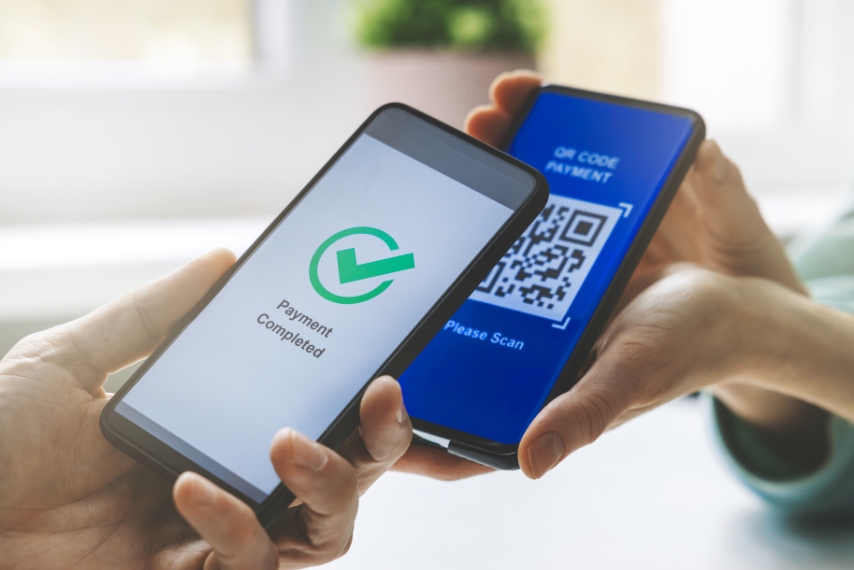
QR codes have become a familiar part of everyday life, from restaurant menus to event passes. For payments, they play an even more powerful role by turning a simple scan into an instant transaction. A QR code, in the simplest terms, is a square barcode that stores information a smartphone can read in seconds. For payments, this usually includes details like who is being paid and how much, allowing money to move quickly without typing in long account numbers.
With BiMPay, the new national instant payment system the Central Bank of Barbados is introducing, QR codes will act as a quick and convenient way of paying. You simply open your bank’s mobile app or the BiMPay e-wallet app, select the option to pay by QR code, and scan the code. The app reads the payment details embedded in the code and shows them to you. Once you’ve reviewed them and confirmed the payment, the system will transfer the money from your account or wallet to the person or business you’re paying, they’ll receive the payment in seconds, and you’ll both get confirmation.
BiMPay supports two main types of QR codes: static and dynamic.
Static QR codes, as the name suggests, don’t change. In fact, you’re probably already familiar with them. You sometimes see them at restaurants, where you can scan them to view the menu or on flyers where they take you to more information about an event. When it comes to BiMPay, static QR codes will contain basic information such as a business’ name and account details. You’ll be able to add the cost of the item you’re purchasing and approve the payment.
Static QR codes will be ideal for small businesses and vendors because they are easy to create, print, and display, giving them another option for accepting payment that doesn’t require special – and often costly - equipment like a card reader.
In contrast, dynamic QR codes are unique codes generated for each transaction. If the business you’re patronising uses dynamic QR codes, the payment amount and other transaction details will already be included when you scan it. You’ll simply need to review and approve the payment. Because the key information comes pre-filled, dynamic QR codes speed up the checkout process even more. For this reason, and because they require a more sophisticated set-up, dynamic QR codes are ideal for larger, high-volume businesses like supermarkets and major retailers. Utility companies, which have thousands of customers, can generate and embed them into their monthly bills.
The benefits of QR codes, therefore, are obvious. They are a quick, convenient, and safe way to make a payment. You can use them to pay for groceries, meals, transportation, or utilities with a quick scan and without needing bank details.
For businesses, QR payments offer a cost-effective way to accept digital payments without investing in card terminals. Street vendors, service providers, and small retailers can all participate in the digital economy using just a printed code and a smartphone.
Government agencies and public service providers can also use QR codes to collect fees or issue refunds more efficiently, helping to modernise and ease how people interact with public services.
It’s a no-brainer then, that when BiMPay goes live on June 12, QR code payments will be one of the options available to users; they’re convenient, inclusive, and safe and fast – just what BiMPay is designed to be.