
Use the latest browser recommended by Microsoft
Get speed, security and privacy with Microsoft Edge


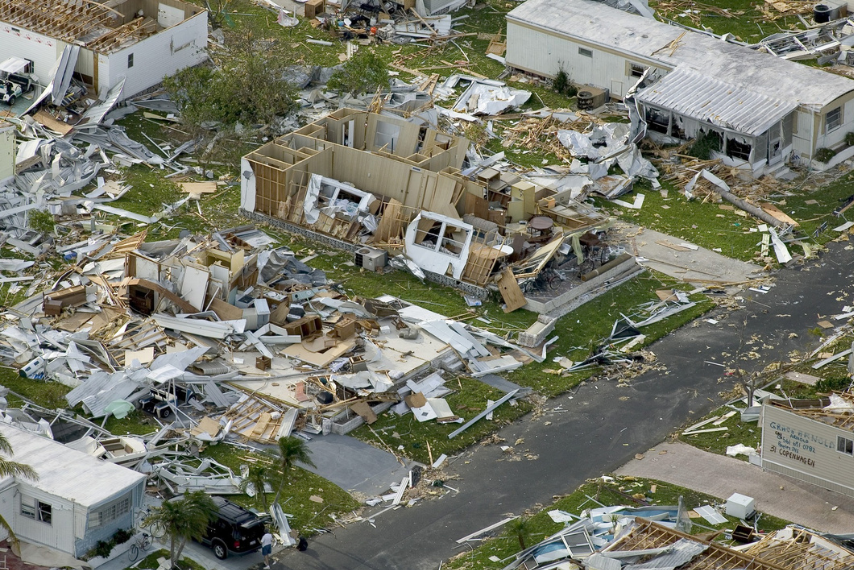
Climate change is not just an environmental issue; it’s also a growing financial concern, especially for a small island like Barbados. Rising temperatures, stronger storms, and the global push toward a low-carbon economy are creating new risks that could shake the foundations of our financial system. These threats come in two main forms: physical risk and transition risk. Both could have serious impacts on banks, insurance companies, pension funds, and the wider economy.
Physical risk refers to damage caused by extreme weather events like hurricanes, flooding, and coastal storm surges. These events can destroy homes, hotels, fishing vessels, and other valuable possessions, requiring costly repairs while simultaneously impairing people’s and businesses’ ability to earn. These properties might also have served as collateral for loans. With borrowers unable to repay their loans and the assets that backed them damaged or having lost significant value, banks could see increases in non-performing loans (loans that have gone unpaid for more than three months).
The Central Bank of Barbados has conducted several climate risk assessments to better understand how these disasters could affect the economy and financial system. One key finding is that a severe storm, such as a once-in-100-year coastal surge, could shrink the economy by more than 7 percent and lead to major losses in tourism, housing, and real estate lending. This could push more loans into default and reduce banks’ capital, particularly for those with loans concentrated in high-risk coastal areas.
The other side of the coin is transition risk, which is associated with the world’s shift toward cleaner energy and stricter climate regulations. While Barbados is not a major polluter, changes in global policies and market preferences can still impact our economy. For example, if international travellers begin favouring eco-friendly destinations, traditional tourism models could lose value. Similarly, new building standards or green technologies could raise costs for local construction and energy sectors.
Fortunately, recent assessments suggest that transition risks, while real, are currently manageable for Barbadian banks. The biggest challenge remains physical climate risks, which could have faster and more dramatic effects.
Insurers are on the frontlines of climate change. When natural disasters strike, claims increase, pushing up costs and premiums. In Barbados, where over 25 percent of property remains uninsured, this puts not only insurers, but also Government at risk of having to absorb recovery costs.
To improve preparedness, the Financial Services Commission (FSC) introduced stress testing rules in 2021 that require insurers to examine how natural disasters could affect their operations. Some companies have shown strong resilience, but others still need to improve how they assess and prepare for climate risks.
Pension funds also face threats. If climate policies or disasters reduce the value of their investments, especially in carbon-heavy sectors, they may struggle to meet future retirement payments.
Both the Central Bank and the FSC are stepping up efforts to protect the financial system. The Central Bank is improving how it monitors climate risks by collecting more data, running stress tests, and encouraging banks to build capital buffers for challenging times. The FSC is working on a new framework to better track insurance coverage and help close the gap in protection.
Looking ahead, both regulators plan to embed climate risk into long-term financial planning and regulation to ensure our financial institutions remain resilient in the face of the threat posed by climate change.
The 2024 Financial Stability Report, a joint publication by the Central Bank of Barbados and the Financial Services Commission, identifies global economic uncertainty, cyber and AI risk, and climate risk as three key risks to financial stability in Barbados. Read “Tailoring Climate Transition Risk Assessments” and “Climate Risk Assessment for Insurance Companies,” two thematic articles that accompanied the report.