
Use the latest browser recommended by Microsoft
Get speed, security and privacy with Microsoft Edge


BiMPay, the Central Bank of Barbados’ new national instant payment system, will usher in a new era in payments for Barbados. This includes 24/7/365 availability with real-time settlement so that you not only see the funds in your account but can also use them immediately. Not only that, but you can send money to and receive it from anyone in Barbados, regardless of whom they bank with, or whether they bank with any financial institution at all.
In addition to offering this level of convenience, it’s important for the system to be secure. For that reason, BiMPay will not only comply with international messaging standards, it will follow cybersecurity best practice by incorporating features like multifactor authentication, end-to-end encryption, and AI-powered fraud detection.
To help you understand what these tools are and how they work, we reached out to Anthony Harris, President of the Barbados Chapter of the Information Systems Security Association, and asked him to break them down for us.
In the first article in the series, he explained multifactor authentication. This time around, the focus is on encryption.
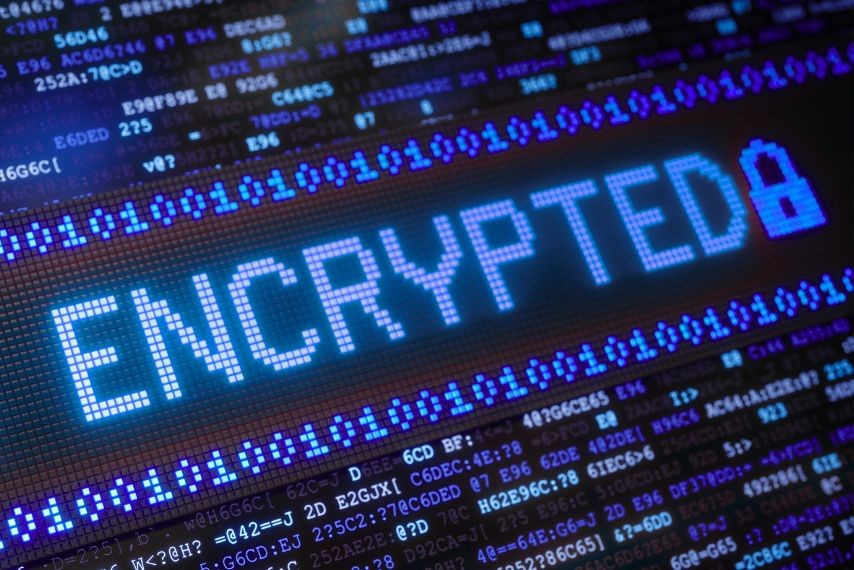
Encryption is like scrambling a message so only someone with the right key can unscramble and read it.
End-to-end encryption means that a message is scrambled from the moment you send it until it reaches the recipient, and only they have the key to unlock it. No one in between, not even the service provider, can read it. It's a very private and secure way to communicate.
Encryption works by using a complex mathematical process to turn readable information (like your message) into a jumbled, unreadable code. To reverse this, a specific digital "key" is needed to unscramble it back into its original form. Without the correct key, the jumbled code just looks like nonsense.
Yes. Apps like WhatsApp, iMessage, and banking apps all use encryption to keep your messages and information private and secure.
Encryption secures sensitive information by turning it into unreadable code. If unauthorised people get hold of it, they just see gibberish, making it useless without the correct digital key to unlock it.
Missed part one of this series? Read it here. And look out for the next article on fraud detection.