
Use the latest browser recommended by Microsoft
Get speed, security and privacy with Microsoft Edge


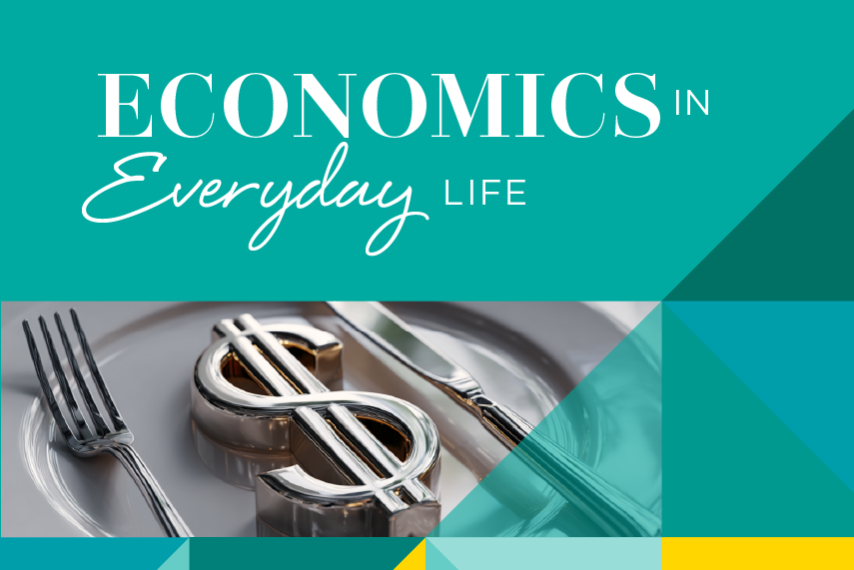
The Economics of Your Next Meal: What Your Plate Costs Barbados
"I've changed my diet and started working out," my colleague mentioned casually over lunch at a Christ Church restaurant. "Trying to stay ahead of NCDs and keep my mind sharp."
I paused mid-bite of my fish meal. Not because lifestyle changes are revolutionary, we Bajans hear about them all the time, especially at the start of a New Year. But because of what he said next: "It's not just about me, yuh know. It's about keeping my family secure and showing up at work."
That conversation got me thinking: What if we could see the real price tag on our daily food choices? Not just what's on the menu, but the true economic cost to our pockets, our productivity, and ultimately, to our little rock?
Here's a number that might change how you look at your shopping cart: non-communicable diseases like diabetes, heart disease, and hypertension cost Barbados between $375 to $825 million annually. That's nearly 10% of our GDP.1
To put that in perspective, imagine redirecting that money toward better roads, stronger schools, or more robust infrastructure. Instead, it's being spent on managing a health crisis that starts right there at the dinner table.
The latest government figures from 2025 paint a stark picture: one in four Barbadians is living with at least one NCD.2 In 2023 alone, Barbados recorded 564 heart attacks and 803 strokes on this 166-square-mile island. The direct treatment costs reached $120.8 million in 2022-2023, but here's the real kicker - the indirect costs are even more staggering.3 Lost productivity from people missing work costs us $48.7 million, presenteeism (when workers come in but can't give 100%) hits $155.8 million, and premature deaths cost another $17.2 million.
These are your tax dollars, the same ones coming out of your pay packet every week or every month, working overtime to manage conditions that are, in many cases, preventable.
Economic impacts rarely stay contained. When it comes to NCDs, the costs ripple across the island in three distinct ways.
At home, families lose breadwinners and the financial burden of medications, treatments, and lifestyle changes can strain household budgets to the breaking point.
At work, businesses face what can only be described as a productivity puzzle. More than 80% of Barbadian adults carry at least one NCD risk factor. From the rum shops to the accounting firms, from the hotels to the government offices, companies are constantly managing absences, reduced capacity, and workforce disruptions. Medical appointments at the QEH, sick days, and decreased energy add up. Some employees never return to full productivity, while others leave the workforce entirely.
Nationally, our healthcare system is challenged. NCDs account for 80% of all deaths in Barbados. Across the island, healthcare workers aren't just treating patients, they're managing a chronic-care marathon with limited resources.
The statistics tell a compelling story. Two-thirds of adult Barbadians are overweight or obese. Nearly 44% of women and 37% of men have hypertension. Over 26% of adults have raised blood glucose or diabetes.4 The usual suspects? Obesity, poor diet, and physical inactivity. Sound familiar?
Dr. Walter Alleyne, Senior Medical Officer of Health, puts it plain and simple: "The unhealthy choice is often the easier choice."
He's spot on. That fried flying fish from the vendor is faster than grilling it at home. That beer or sweet drink tastes better than water. That extra hour of sleep feels more rewarding than a walk on the Boardwalk.
But here's the economic reality hiding in those "easier" choices: they're expensive in ways your receipt doesn't show.
Here's some food for thought. Imagine two breakfasts:
Breakfast A: Salt bread or a sandwich from the corner shop with ham and cheese, minimal vegetables, maybe some fish cakes and bakes on the side. Quick, tasty, filling. Very Bajan.
Breakfast B: Scrambled eggs with callaloo or spinach, whole grain bread, and some paw paw or golden apple. Takes a bit more time and planning.
Breakfast A might cost you $15 at a shop. Breakfast B might cost $12 if you make it at home. So far, Breakfast A seems reasonable - quick and not much more expensive.
However, let’s look long term. The effect of dozens of Breakfast A choices versus Breakfast B choices creates different health trajectories. One path leads toward higher risks for sugar, pressure, and heart problems. The other doesn't.
Now add the hidden costs: potential medication ($200-$500/month for diabetes management), lost work time for appointments at the polyclinic, reduced energy and productivity and the emotional and financial toll on your family.
Suddenly, Breakfast A doesn't look so affordable.
Government is acting. The 2025 budget introduced a $1 million education campaign and a 20% excise tax on high-salt snacks. The National Strategic Plan for NCD Control (2023-2030) sets clear targets for reducing the burden of these diseases.5 The Diabetes and Hypertension Association of Barbados launched its "Know Your Numbers" campaign.
But policy changes alone won't solve this. The real power lies with each of us making smarter choices, one meal at a time.
My colleague who changed his diet? He's not just protecting his health. He's also reducing strain on our collective healthcare resources, maintaining his earning capacity, securing his family's financial future, and contributing to Barbados' economic stability.
You can do the same by:
Knowing Your Numbers: Think of health screenings as financial audits for your body. Blood pressure, blood sugar, cholesterol, body mass index ( BMI) - these are your personal economic indicators. When you know them, you can act? Visit your nearest polyclinic or doctor to get screened.
Eating Smart: Invest in yourself. Shop at the Cheapside market for fresh vegetables instead of the processed foods. Choose the flying fish over the fried chicken. Opt for breadfruit or sweet potatoes (complex carbs) over white rice sometimes.
Moving More: Think of 30 minutes of daily physical activity as economic insurance. A walk along Spring Garden Highway, a swim at Browne’s Beach, even parking far away from the stores when shopping to get in a walk - it all counts and has measurable economic value when you consider what it prevents.
Spreading the Word: When you talk about these connections with family and friends at the Sunday luncheon or the weekend lime, you're not just sharing health tips. You're motivating them and spreading economic awareness that benefits all of us.
Personal choice meets national economics right here. Every time you choose a healthier meal, take a walk, or skip that cigarette, you're not just making a personal health decision. You're making an economic investment in Barbados' future.
The question facing every Barbadian - from Cave Hill to Crab Hill, from Six Roads to Sam Lord's Castle - is simple but profound: What will you choose at your next meal?
Because that choice carries a price tag that extends far beyond what's printed on the menu. It affects your family's financial security, your workplace's productivity, and your country's economic health.
Better for you. Better for your family. Better for Barbados.
The most expensive meal, as it turns out, is the one that leads to a hospital bed at the QEH.
This article is part of the Central Bank of Barbados' "Everyday Economics" series,
which explores how economic principles shape our daily lives in Barbados. The Bank thanks the Ministry of Health for its input in this article.
1 Ministry of Health and Wellness, "NCD Statistics Still A Major Concern to Government," Press Release, April 16, 2025.
2 Ibid.
3 Ministry of Health and Wellness, April 16, 2025 press release; figures for direct and indirect costs from 2022-2023.
4 Ministry of Health and Wellness, "NCD Statistics Still A Major Concern to Government," April 16, 2025.
5 Ministry of Health and Wellness, National Strategic Plan for NCD Control (2023-2030), Government of Barbados.