Why Prices Never Come Back Down
By Governor Greenidge
Lower inflation is not the same as lower prices. Here is why your bill stays high even when the news sounds better.
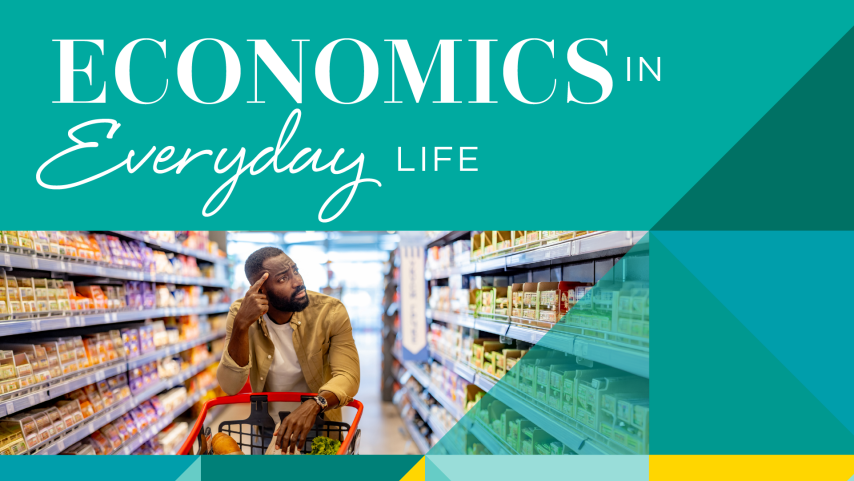
Everybody notices when prices go up. The bread is higher. The chicken is higher. The lunch that used to feel reasonable now makes you check the bill twice. Even when inflation slows down, people still ask the same question: "If inflation is falling, why are prices still so high?" It is a fair question. The answer is simple, but not always comforting. Lower inflation usually means prices are rising more slowly. It does not usually mean prices are falling. That is the part many people miss.
Slower Increases Are Not Lower Prices
Think of inflation like driving. If you were driving at 100 kilometres per hour and slowed down to 40, you are still moving forward. You are just moving forward more slowly. Prices work in a similar way. If inflation falls from 8 percent to 3 percent, prices are still going up. They are just going up at a slower pace. So when people hear that inflation has fallen, they may expect supermarket prices, restaurant prices, and hardware prices to return to where they were before. But that is not what lower inflation means. It means the pressure is easing. It does not mean the clock has turned back.
Why Businesses Do Not Rush to Cut Prices
Once a business raises prices, bringing them back down is not always easy. A shop may be paying more for rent, electricity, wages, transport, insurance, security, packaging, or imported goods. Even if one cost falls, others may remain high. A restaurant might see the price of one ingredient ease, but still face higher labour costs, higher utilities, and higher replacement costs for equipment. A hardware store might get a slightly cheaper shipment this month, but still worry that the next shipment could cost more. So businesses often hold prices steady rather than cut them quickly. Part of that is caution. Part of it is survival. And yes, sometimes part of it is profit. But the basic point is this: prices often rise quickly when costs increase, and fall slowly, if they fall at all.
The Menu Problem
There is also a practical issue. Changing prices is not free. A restaurant has to change menus. A supermarket has to change shelf labels. A small shop has to update signs, systems, and sometimes customer expectations. That may sound minor, but for businesses, constant price changes create confusion. If prices move up and down every week, customers get frustrated and staff spend more time explaining than selling. So businesses tend to wait until they are sure the change will last. That is why a price increase can feel permanent, even when the original reason for it has started to fade.
Wages and Expectations Matter Too
Prices also get stuck because people adjust around them. If workers face higher prices for food, transport, rent, and school expenses, they naturally ask for higher wages. If wages rise, businesses face higher costs. Those costs can then be built into prices. That does not mean wage increases are bad. It simply means that once the whole economy adjusts to a higher price level, reversing that adjustment becomes difficult. Expectations matter as well. If businesses expect costs to rise again, they may avoid cutting prices now. If consumers expect prices to keep rising, they may buy earlier or stock up, which can keep demand strong. These small decisions help explain why prices can remain sticky.
The Barbados Reality
For Barbados, this issue feels even more personal because we import so much of what we consume. Food, fuel, vehicles, building materials, appliances, medicines, packaging, and many household goods come from outside. That means local prices are affected not only by what happens here, but also by shipping costs, global fuel prices, exchange rates, supply disruptions, and prices set by overseas producers. By the time an imported item reaches a shelf in Barbados, several costs have already been added. So even if global prices stop rising as fast, the final price at home may not fall quickly. That is why people can hear good news about inflation and still feel pressure at the checkout. Both things can be true. The economy may be improving, and households may still feel squeezed.
When Prices Actually Do Come Down
Prices can fall, but it usually takes a strong reason. A business may reduce prices because:
- demand has weakened
- competitors are charging less
- shipping or input costs have fallen sharply
- inventory is not moving
- there is a seasonal glut
- technology has made production cheaper
We see this in small ways. Fruits may get cheaper when they are in season. Some electronics become cheaper over time. Stores may discount clothing when stock is not selling. But for many everyday essentials, prices rarely return fully to the old level. Once people get used to the new price, it often becomes the new normal.
What This Means for Households
This is why budgeting based on "when prices go back down" can be risky. Prices may stop rising quickly, but they may not return to where they were. So households need to adjust in practical ways. That might mean comparing unit prices, switching brands, buying seasonal produce, planning meals more carefully, reducing waste, or tracking the items that quietly push up the bill. None of this means people should blame themselves for high prices. Many price pressures come from outside the household. But awareness helps. When prices are sticky, small adjustments matter.
Household moves when prices are sticky
✓ Compare unit prices, not just the shelf price
✓ Switch brands where the quality holds up
✓ Buy seasonal produce
✓ Plan meals more carefully and reduce waste
✓ Track the items that quietly push up the bill
The Bigger Point
Falling inflation is still good news. It means the pace of price increases is slowing. It gives households, businesses, and policymakers more breathing room. But it does not erase the price increases that already happened. That is the difficult truth.
Inflation slowing is like the rain easing after a heavy shower. You are no longer getting soaked as quickly, but the ground is still wet.
Quick Takeaway
When people ask why prices never come back down, the answer is not that nothing is improving. It is that inflation measures the speed of price increases, not whether prices have returned to the old days. Lower inflation means prices are rising more slowly. Lower prices are something different. And in everyday life, that difference matters.